Contrast settings

Making Data Beautiful

I’ve always been captivated by the creative ways people find to make information more inviting and engaging.

These small experiments offer a flavour of what the latest AI models make possible, using marine life around Plymouth Sound and publicly available education data as starting points.

Have a play. Change the view, follow a ribbon or choose a species.

Marine ecosystems

Eleven species from the Sound

Meet eleven species found around Plymouth Sound, from rocky-shore residents to visitors in open water.
1 of 11

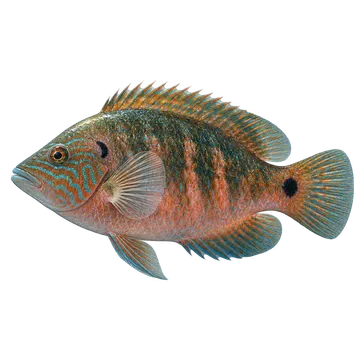
Corkwing wrasse

Symphodus melops

A small, deep-bodied wrasse with a dark spot near the tail; breeding males turn vivid blue, green and orange. In summer the males build nests of seaweed in rocky crevices and guard the eggs. It lives on the rocky reefs and kelp of the Sound.
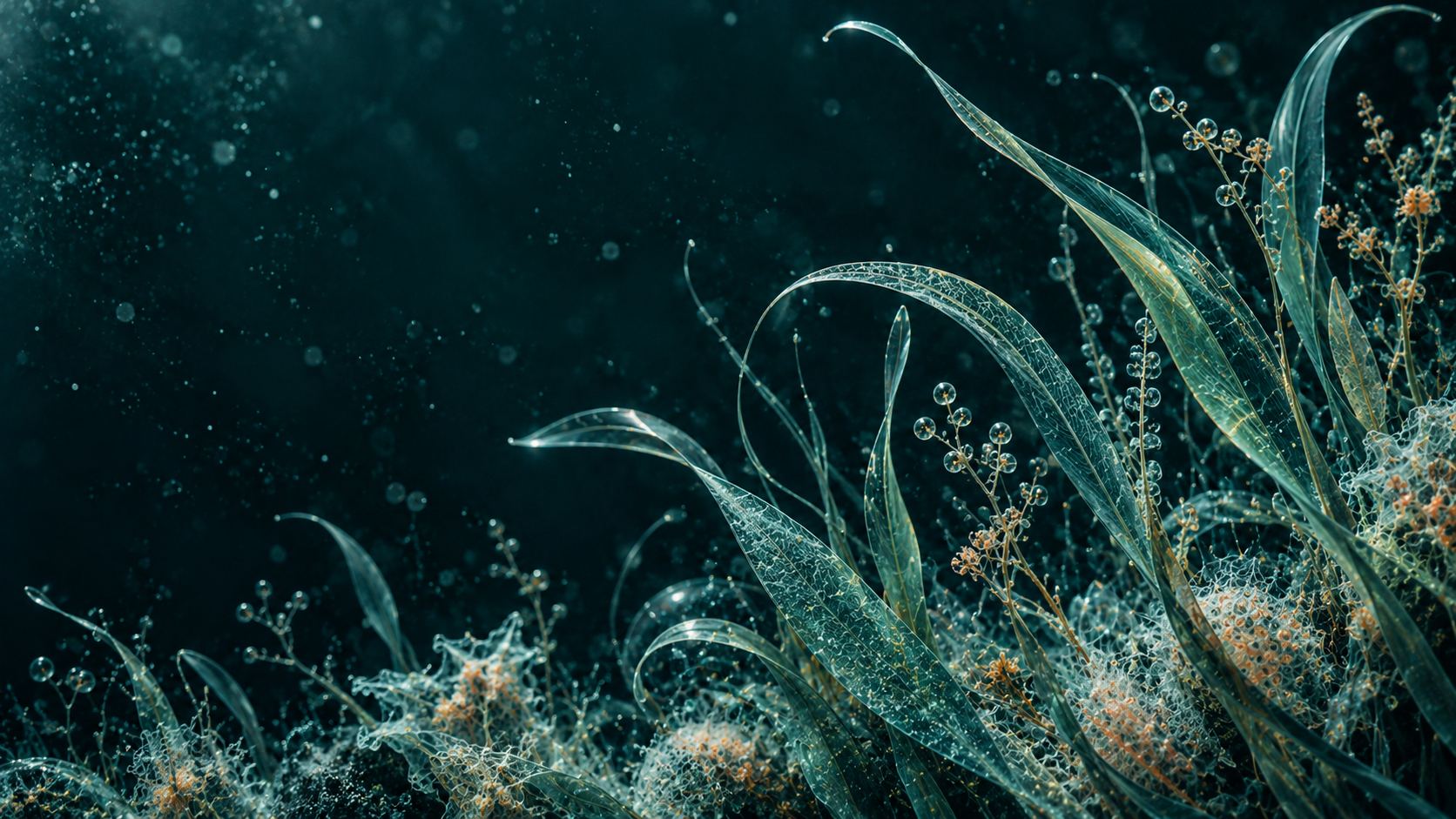
Seagrass planting at Jennycliff Bay

Seagrass meadows provide shelter for young fish. The Ocean Conservation Trust grows seedlings on biodegradable cotton-and-hessian mats, known as planting pillows, at the National Marine Aquarium. Divers then lower the established plants into the Sound and pin the mats to the seabed.

In July 2023, the Trust reported planting 100 pillows at Jennycliff Bay, each holding around 40 plants. Explore one pillow, the whole planting and the individual plants within it.

1 pillowOne pillow holds around 40 young plants on a biodegradable mat.

Ocean Conservation Trust, 31 July 2023. Approx. 4,000 plants is calculated from 100 pillows × around 40 plants. These are planting figures, not a measure of survival.Source ↗

Six places around the Sound

National Marine Aquarium

The aquarium beside Sutton Harbour, which describes itself as the UK’s largest, is run by the Ocean Conservation Trust. Its cultivation lab is where the Trust raises seagrass for planting in the Sound.

National Marine Aquarium ↗

Pins are approximate. Map data © OpenStreetMap contributors.

Education

A closer look at apprenticeships, in Plymouth and across England.

Age and apprenticeship level

England · 2024/25

353,500apprenticeship starts

Wider ribbons represent more starts.

2024/25

This shows how starts are distributed, rather than people moving through successive stages.

Department for Education. Counts rounded to the nearest 10. Data table ↗

How the mix is changing

England · 2019/20 to 2024/25

Compare the number of apprenticeships begun at each level, or their share of the total. Choose a year to update the charts.

Department for Education, final full academic years. Source ↗

The same picture, in 100 dots

England · 2024/25

Each dot represents about 1% of that year’s apprenticeship starts.

Grouped by the learner’s age when the apprenticeship began.

The moving dots regroup proportions; they do not track individual learners.

Department for Education. Source ↗

How Plymouth compares

Apprenticeship achievements per 100,000 residents · 2024/25

This compares achievements with population size; it isn’t a completion percentage.

Plymouth747 per 100,000 residents
South West606 per 100,000 residents
England538 per 100,000 residents
The reference line marks the England rate.

Plymouth City Council, published February 2026. Source ↗

Why data?

What excites me is the scope this opens up for information we already hold or can access. We can describe what we want to explore and work with tools that help build a way into it: writing code to organise the data and perform calculations we can inspect, alongside the words, imagery and interactions that bring it to life.

That makes room for more personal kinds of software: a dashboard shaped around a particular question, or an interactive explanation for a particular audience. These are small examples, but they give a flavour of what it means to bring our own imagination to the way people encounter and explore information.

Sources and notes

I built this independently, using AI to help develop the code and create the illustrations. It is not commissioned or endorsed by the organisations featured.

Figures are dated snapshots from the linked public sources; the page has not had an independent statistical or scientific review. Species illustrations are AI-generated and not to scale.

Marine life and restoration

Individual species references (11)

Places and research

Education data

Back to Ideas