PLYMOUTHBritain’s Ocean City

PLYMOUTHBritain’s Ocean City

A sheltered harbour. A city of makers. An ocean full of questions. Explore how Plymouth’s past connects to the science and creativity happening here today — and find something you could try.

Start exploring
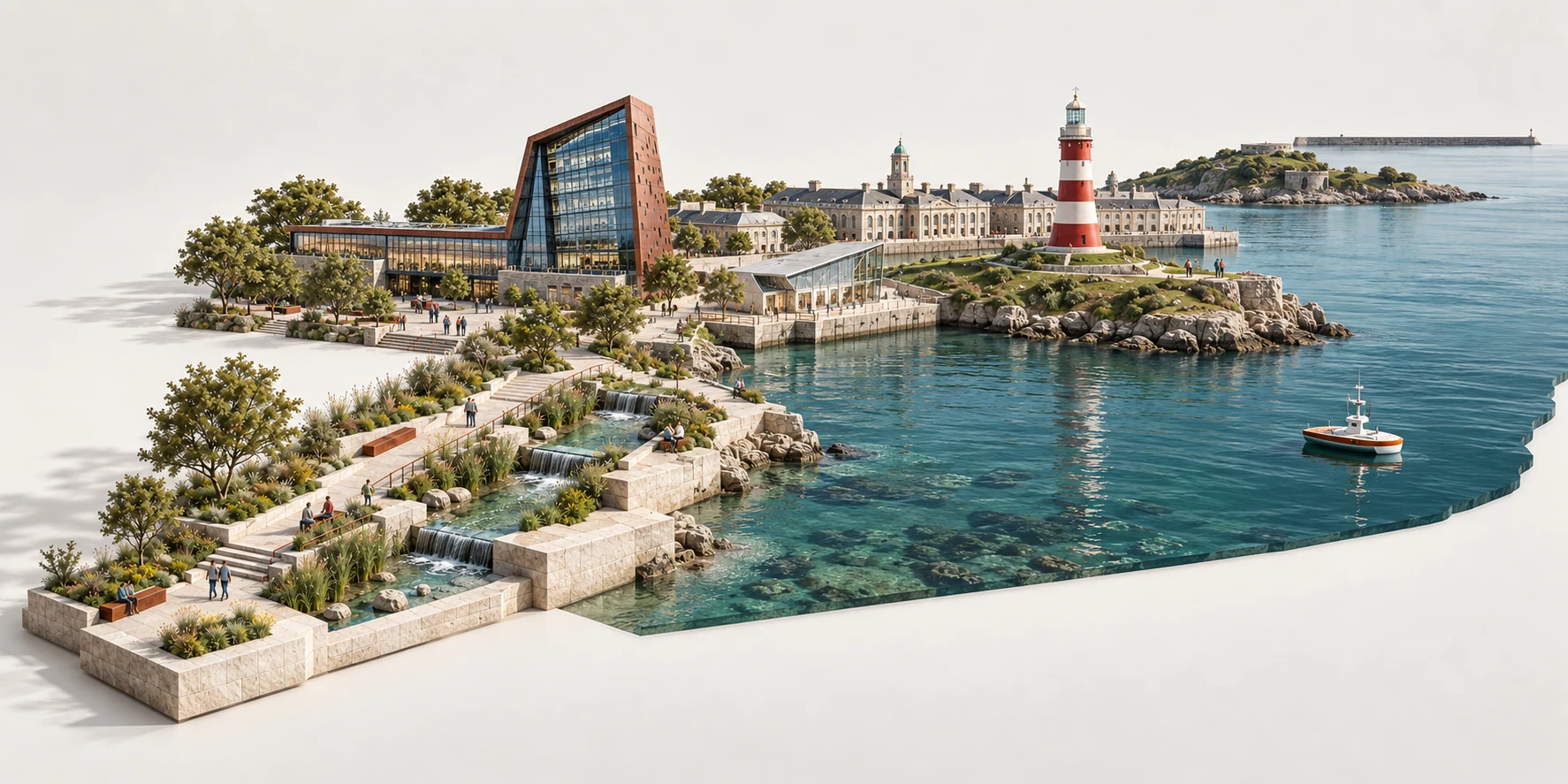
Illustrated montage of Plymouth landmarks: the copper-clad Roland Levinsky Building, Smeaton’s red and white lighthouse, historic waterfront buildings, a planted rill and the Sound.
An illustrated montage of Plymouth landmarks.

Why here?

The Tamar and Plym flow into Plymouth Sound. Its sheltered waters helped a city grow: a place to trade, build ships, learn and set out into the world.

Connected from the beginning

Coins and pottery found at Mount Batten reveal trading connections more than 2,000 years old. Later voyages carried people and ideas across oceans. They also brought harm: Plymouth’s history includes the slave trade, and the Mayflower’s passengers settled on Wampanoag land. Knowing your city means hearing these histories too.

Skills passed on — and changed

Royal William Yard once supplied the Navy. Today, Devonport is Western Europe’s largest naval base: civilian and naval teams maintain ships and refit submarines. The University grew from a School of Navigation founded in 1862. Team Plymouth brings defence, education, business and government together to help investment create wider skills and opportunities.

A city people keep remaking

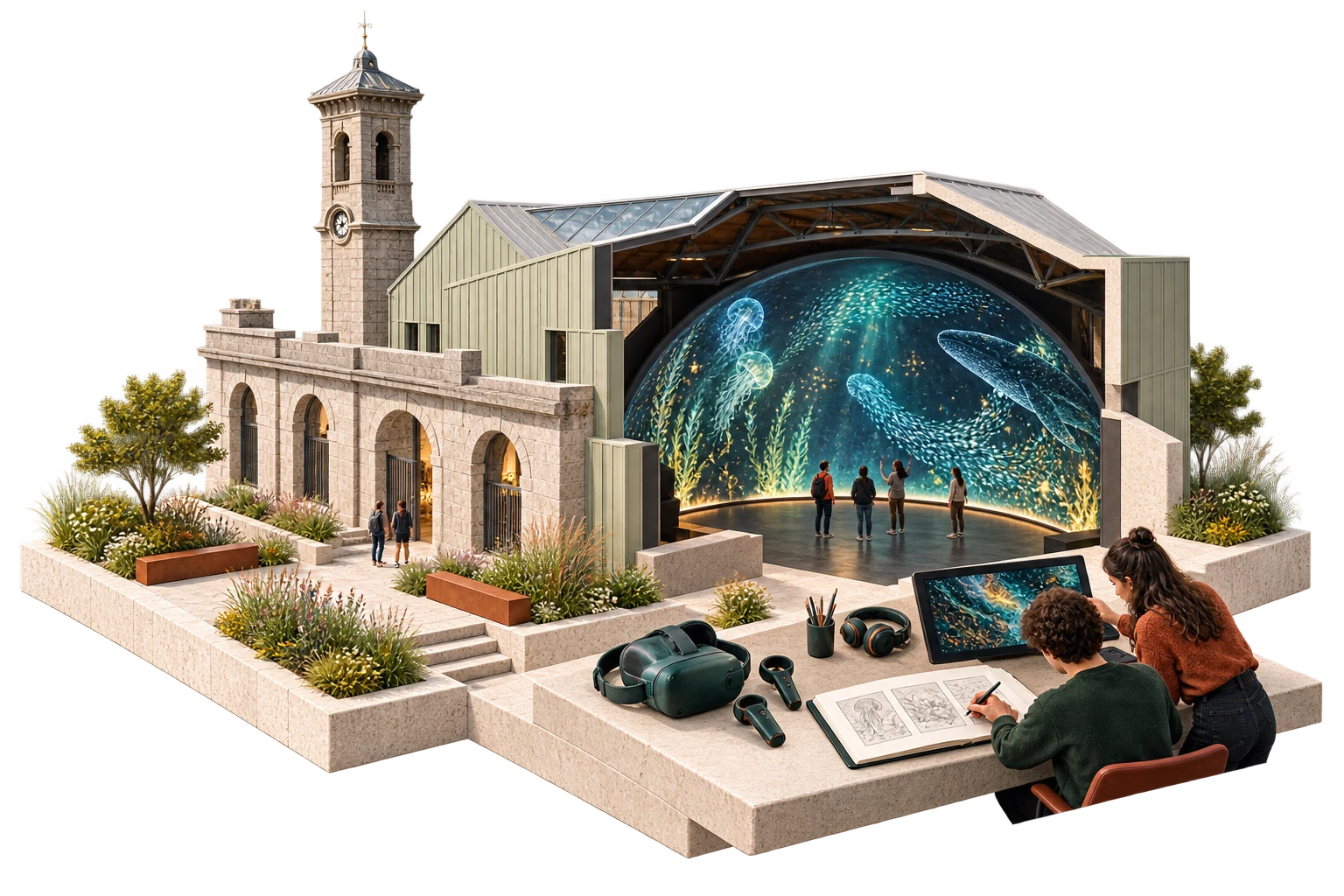
Plymouth rebuilt after wartime destruction. It is still changing. Armada Way’s rill — a planted, human-made stream — helps manage rainwater. At Market Hall, a historic building now holds an immersive dome. Design can change how a city works and what people can experience in it.

Find the places behind the story.

North-up map of Plymouth Sound, with the city on its northern shore, Cornwall to the west, and the rivers Tamar and Plym. Eleven numbered places are listed in the adjacent key.

Plymouth & the Sound

  1. Smeaton’s Tower
  2. Roland Levinsky Building
  3. Barbican / Mayflower Steps
  4. University Marine Station
  5. Royal William Yard
  6. Market Hall
  7. Devonport naval base
  8. Drake’s Island
  9. Plymouth Breakwater
  10. Mount Batten
  11. Armada Way

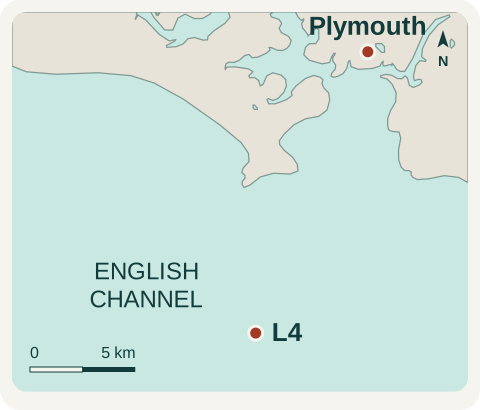
Further out: L4

L4 lies about 13 kilometres south-south-west of Plymouth, on this separate-scale offshore map.
Approximate locations, not entrances or site boundaries. Simplified coastline © OpenStreetMap contributors, via geo-maps.

The sea still connects the city. Today, it is also a place to ask new questions.

What happens here?

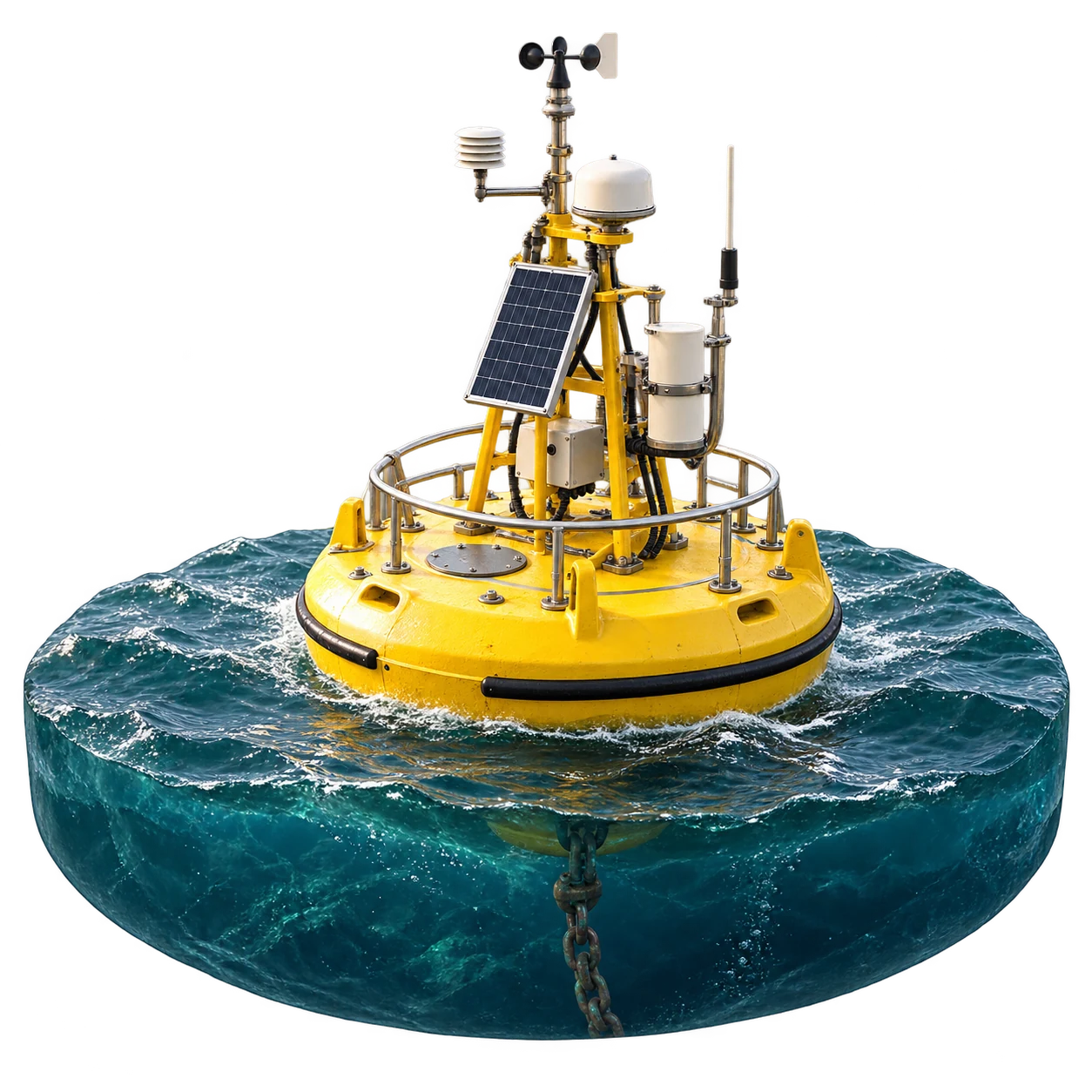
How do we understand a world beneath the surface? In Plymouth, observation, new technology and creativity help us find out.

STEAM: science, technology, engineering, arts and mathematics — working together.

Local work, global questions. Understanding the ocean contributes to the UN goal of protecting life below water.

Where could I fit?

You do not need to choose a career now. Start with what you enjoy: every interest below connects to the work you have just seen.

Five interests, example roles in this work, and a first activity to try
If you enjoy…Work to exploreTry a first step
Drawing, stories or musicDesigner · animator · sound designerHelp an audience experience the ocean differently.Sketch three underwater scenes. Choose a sound for each.
Nature and questionsMarine scientist · field technicianCollect evidence and investigate what it means.Observe a place safely on two visits. Note the date, weather and wildlife. What changed?
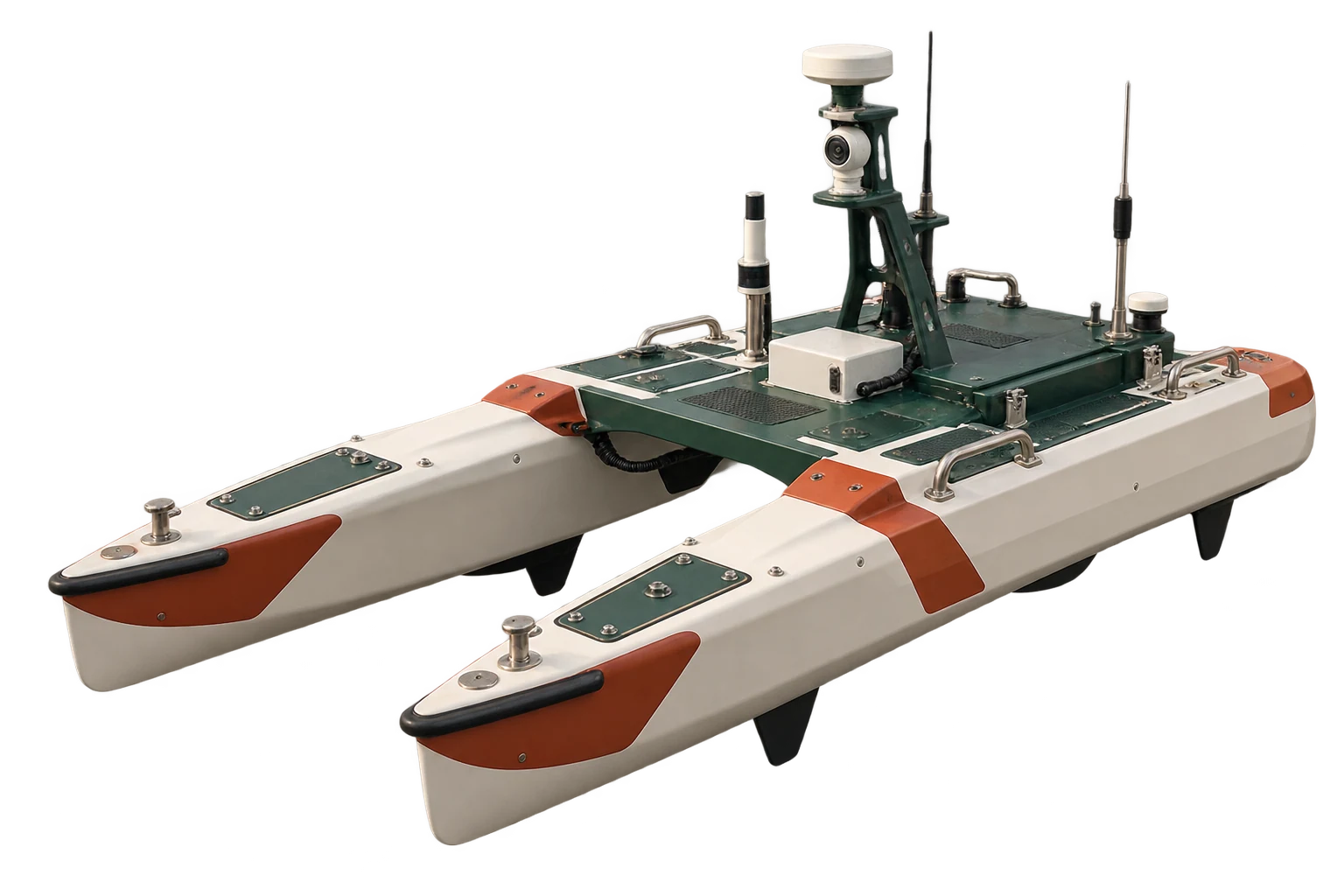
Coding and patternsSoftware developer · data analystTurn readings into useful, reliable tools.Draw a robot boat’s route. Add a rule that flags missing readings for a person to check.
Making and fixingEngineer · engineering technicianBuild and maintain things people depend on.Test a model boat in a bowl. Change one part. What improves?
People and ideasEntrepreneur · project coordinatorBring people together to solve a problem.Ask someone about a small problem. Sketch a solution and improve it together.

There is more than one way in.

Art, science, computing, maths and many other subjects can help. College, apprenticeships and university offer different routes. Students, graduates and people learning on the job all help shape Plymouth.

You could create something of your own.

An idea can become a business, freelance work or a social enterprise. The University’s Cube supports its students and graduates with ideas and enterprise.

Make life an adventure.

Your curiosity is a place to start.